Coast to Coast, Connection to Connection: Navigating the Companionship Landscape Across America
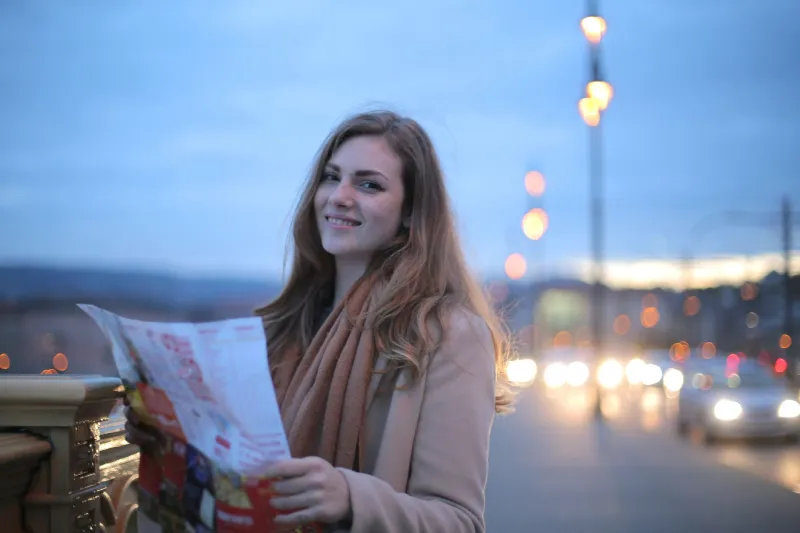
The United States is not a monolith. From the fast-paced corridors of Midtown Manhattan to the sun-soaked avenues of Miami Beach, from the tech-driven social fabric of San Francisco to the understated elegance of Nashville's growing professional class — every city carries its own rhythm, its own unspoken codes, and its own expectations around social interaction. Companionship, as a professional service built on human connection, is no different. The geography of where you are shapes the texture of the experience you are likely to find.
For clients who travel frequently or who are exploring companionship services for the first time in an unfamiliar city, this geographic variability can feel disorienting. Understanding it, however, transforms uncertainty into preparation — and preparation is consistently the foundation of exceptional companionship encounters.
The Metropolitan Premium: Major Cities and What They Offer
America's largest metropolitan areas — New York, Los Angeles, Chicago, Miami, and Houston among them — tend to host the most developed and diverse companionship markets in the country. The sheer volume of professionals operating in these cities creates a range of options that smaller markets simply cannot replicate. In these environments, clients will generally encounter companions with extensive experience, polished communication skills, and a clear understanding of professional boundaries.
New York, in particular, operates at a pace and sophistication level that sets it apart. Companions working in this market are often accustomed to high-achieving clients with demanding schedules, and they calibrate accordingly — arriving prepared, presenting impeccably, and navigating everything from corporate dinners to gallery openings with ease. Los Angeles brings its own distinct character: a premium placed on aesthetic presentation and social fluency, with companions frequently at ease in entertainment-adjacent environments where cultural literacy matters as much as charm.
In cities like Chicago and Houston, a slightly different sensibility prevails. Midwestern directness and Southern hospitality, respectively, tend to influence how companions and clients communicate. These markets often reward straightforwardness — clients who communicate their preferences clearly and respectfully tend to find that companions in these regions respond with equal candor and warmth.
Secondary Markets: Underestimated and Often Exceptional
There is a persistent misconception that meaningful companionship experiences are exclusive to America's largest cities. In reality, secondary markets — cities such as Denver, Austin, Atlanta, Seattle, and Phoenix — have developed robust and often deeply professional companionship landscapes of their own.
Austin, shaped by its blend of creative industry, tech culture, and a famously social local character, tends to attract companions who are intellectually engaged and culturally versatile. Denver's outdoor-oriented, health-conscious professional class has similarly cultivated a market that values authenticity and genuine personality alongside professional presentation. Atlanta, as the cultural and economic hub of the Southeast, operates with a particular emphasis on social grace and discretion — qualities that clients new to the market would do well to match.
For clients visiting these cities, the key insight is this: do not assume that a smaller market means a lesser experience. In many cases, companions operating in secondary cities have cultivated deeper personal brands precisely because they are not lost in the volume of a mega-market. The connection, when it is found, can feel more tailored and less transactional.
Regional Culture and the Art of Reading the Room Before You Arrive
Beyond city size, regional culture exerts a quiet but meaningful influence on companionship dynamics. The South places a premium on courtesy and social ritual — introductions matter, tone matters, and a client who leads with warmth and respect will find that this investment is returned in kind. The Northeast tends to value efficiency and directness; companions in these markets often appreciate clients who communicate their preferences clearly without excessive preamble.
The West Coast, broadly speaking, tends toward a more relaxed and egalitarian social register. Formality for its own sake is rarely rewarded here; what companions in cities like Portland, San Francisco, or San Diego often respond to most positively is genuine curiosity and a willingness to engage without pretense. The Mountain West carries similar values, with an added appreciation for self-sufficiency and straightforwardness.
Understanding these regional temperaments does not mean performing a character that is not your own. Rather, it means being aware of the cultural frequency your companion is likely operating on — and adjusting your communication style accordingly, much as you would when conducting business across regional lines.
Practical Guidance for the Traveling Client
For clients who engage companionship services across multiple cities, a few practical principles apply universally, regardless of geography.
Research before you reach out. Reputable directories and platforms serving specific markets will give you a clearer sense of who is operating professionally in a given city. Take the time to read profiles carefully — the language a companion uses to describe herself, her listed interests, and the tone of her communication all signal how she works and what kind of client she serves best.
Communicate your context. If you are visiting a city for a specific event — a conference, a sporting event, a wedding — share that context when making an inquiry. It allows a companion to assess fit and prepare appropriately. A companion accompanying a client to a black-tie event in Chicago has different preparation needs than one joining a client for a casual evening in Austin.
Respect local norms around discretion. In some markets, particularly in smaller cities or more conservative regions, discretion carries additional weight. Clients who demonstrate an understanding of this — by communicating through appropriate channels, avoiding overly detailed inquiries in initial messages, and respecting a companion's professional boundaries around public visibility — will consistently receive a higher level of engagement in return.
Adjust your timeline expectations. Availability and booking lead times vary significantly by market. In New York or Los Angeles, a companion's schedule may require advance notice of several days or more. In smaller markets, the available pool is naturally more limited, and last-minute inquiries may simply not yield the quality of match a client is seeking. Planning ahead is not merely courteous — it is strategic.
Finding Consistency Amid Geographic Variation
While the American companionship landscape shifts meaningfully from region to region, certain qualities remain constant markers of professionalism regardless of location. Clear, respectful communication. Transparent expectations established before the engagement begins. A mutual commitment to discretion. These are not regional preferences — they are the baseline conditions under which genuinely rewarding companionship experiences occur, in every city, in every market, across every geography.
The most experienced clients understand that finding authentic connection is less about finding the right city and more about bringing the right approach to wherever they happen to be. Geography shapes the texture of an experience; preparation, respect, and genuine engagement determine its quality.
America is vast, varied, and full of remarkable companions offering their time and presence to clients who know how to meet them well. The map is wide open. Travel it thoughtfully.